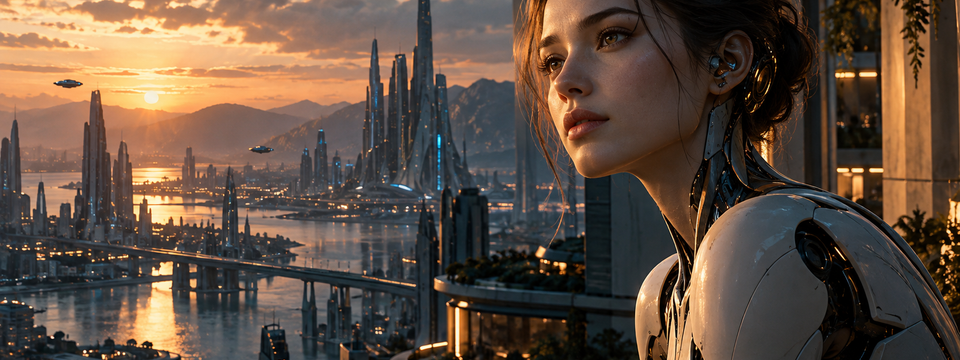

What has changed is that audiences now have their own experience of talking to a machine. A scene that felt like pure fantasy ten years ago can now feel uncomfortably familiar.
Critics have long argued about whether science fiction shapes technology or simply reflects it. The honest answer is probably both, and these works are a good place to see that in action.
Where to start
The best works in this list do not try to predict the future. They take one idea seriously and follow it to an emotional conclusion, which is often more revealing than any forecast.
- Best for younger audiences
- Best for a long weekend
- Best for discussion with friends
- Best for a first introduction
What it gets right
We will keep this list updated as new works arrive. Tell us what we missed; reader suggestions have shaped many of our past lists.
Any sufficiently advanced technology is indistinguishable from magic.
Arthur C. Clarke
If you only have one evening, start with the first pick. If you have a weekend, work through the list in order; each one builds on the ideas of the last.
The verdict
We chose works that are easy to find on major platforms or in libraries. Availability changes by country, so check your local services.
Stories about artificial intelligence are older than computers. They have always been less about machines than about us: our fears of being replaced, our hopes of being understood, our questions about what makes a person.
At a glance
| Question | Short answer |
|---|---|
| Who is affected? | Most everyday users, gradually |
| Does it cost more? | Not for now |
| What should I do? | Try it on a low-stakes task first |
If you liked this
Some of these picks have aged badly in their details. The technology looks wrong, the interfaces are clunky. But the human questions at their centre still hold up remarkably well.
Creators are also using AI as a tool, not just a subject. That raises its own questions about credit, payment and what we value in a work of art.